- Participation
- Electoral legislation
- Non-editorials
Featured
Featured
- Recent
- Everything else
- Electoral legislation
- Concepts
- About Oagal
Select Page

Estimate Cost : 0 NOK
Time Needed : 0 days 0 hours 15 minutes
What is direct democracy? Direct democracy is the original form of democracy in which citizens have direct influence over political decisions without intermediaries. However, in most nations and local communities, direct democracy is rare. Switzerland makes extensive use of referendums, while in Norway, referendums are only advisory for the national assembly and municipalities. Even though many countries describe themselves as democracies, it is worth reflecting on the fact that politicians often show the same resistance to letting citizens decide as absolute rulers do. Those in power are reluctant to give up power.
When politicians are accustomed to the people’s will being merely advisory—and only acted upon if they feel like it or are pressured—it also becomes difficult to advance other direct democratic instruments. This has become particularly evident in statutory participation under the Planning and Building Act (PBA). Although lawmakers strengthened participation as a direct democratic instrument in the new act adopted in 2008, this has in practice been torpedoed by the municipalities responsible – which largely ignore compliance with the law’s provisions on direct democracy.
This is advice your teacher might give you. Try contacting politicians to persuade them to initiate a referendum, or start a petition and present the result to the mayor. It may feel rewarding, and the mayor will probably receive you with a smile—but may also smile to themselves afterward, knowing that nothing will come of it. In 2022, for example, there were only seven local referendums, mainly concerning municipal boundaries. The six national referendums held since 1905 have also concerned territorial boundaries and whether alcohol should be allowed in Norway. Beyond this, politicians apparently have little interest in asking the people what they think via referendums.
By collecting signatures, you as a resident of a municipality or county have the right to place an issue on the political agenda. According to the guidelines for citizen initiatives on minsak.no, you must collect signatures from at least two percent of residents, or a minimum of 300 signatures if your municipality has more than 15,000 inhabitants. At the county level, 500 signatures are sufficient. Even when many support a proposal in this way, it is uncertain whether it will pass in representative assemblies that prefer to decide for themselves. For example, the proposal to develop “Regulations for participation in planning processes for the City of Oslo” was rejected by the city’s executive committee, which claimed a similar case had recently been addressed—although it had not.
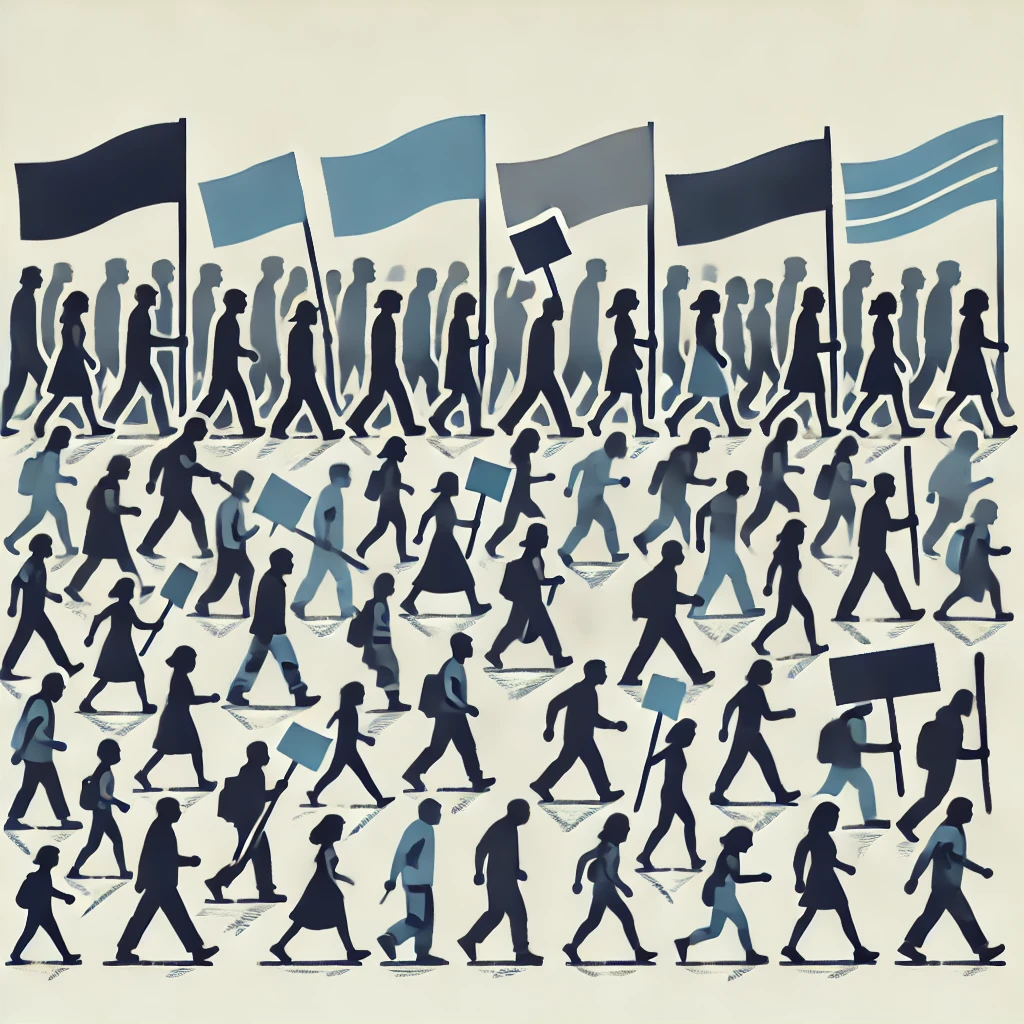
Significant change often requires a strong and sustained popular movement pushing for reform. Without broad public support, reform efforts can easily be marginalized or ignored. Many people are unaware that direct democratic power has been almost entirely absorbed by representative systems. People know what they have, but not what they could have. They may like the politicians they see daily in newspapers and on TV and are reluctant to change the familiar. You will hear arguments such as “we have it so good in this country,” “our politicians are doing a great job,” or “I’m glad we have politicians because I wouldn’t know what to vote for or think.” Nice arguments—but not compelling compared to the necessity of direct democratic decision-making if a system is to be called a democracy.

Norway’s Parliament uses the constitution’s lack of explicit wording on referendums as an argument against making them anything other than advisory. Several proposals to amend the constitution to allow binding referendums have been submitted, but politicians have protected themselves from competition from direct democratic decisions by voting them down.

You can establish and strengthen grassroots movements that mobilize support for direct democratic reforms. Through opinion-making and public education—such as on Oagal.com—you can help raise awareness of the benefits and necessity of direct democracy. Part of this involves informing people about the opportunities digital tools provide for direct democracy. Representative systems originated in contexts where it was impractical for everyone to participate due to distance or population size. Digital tools and modern transportation have radically changed this—without leading to the reintroduction of genuine democracy. Share experiences from other countries and use international organizations and cooperation to support democratic reforms.

Support political parties or candidates who advocate direct democracy, or work within political organizations to include direct democratic reforms in party platforms.
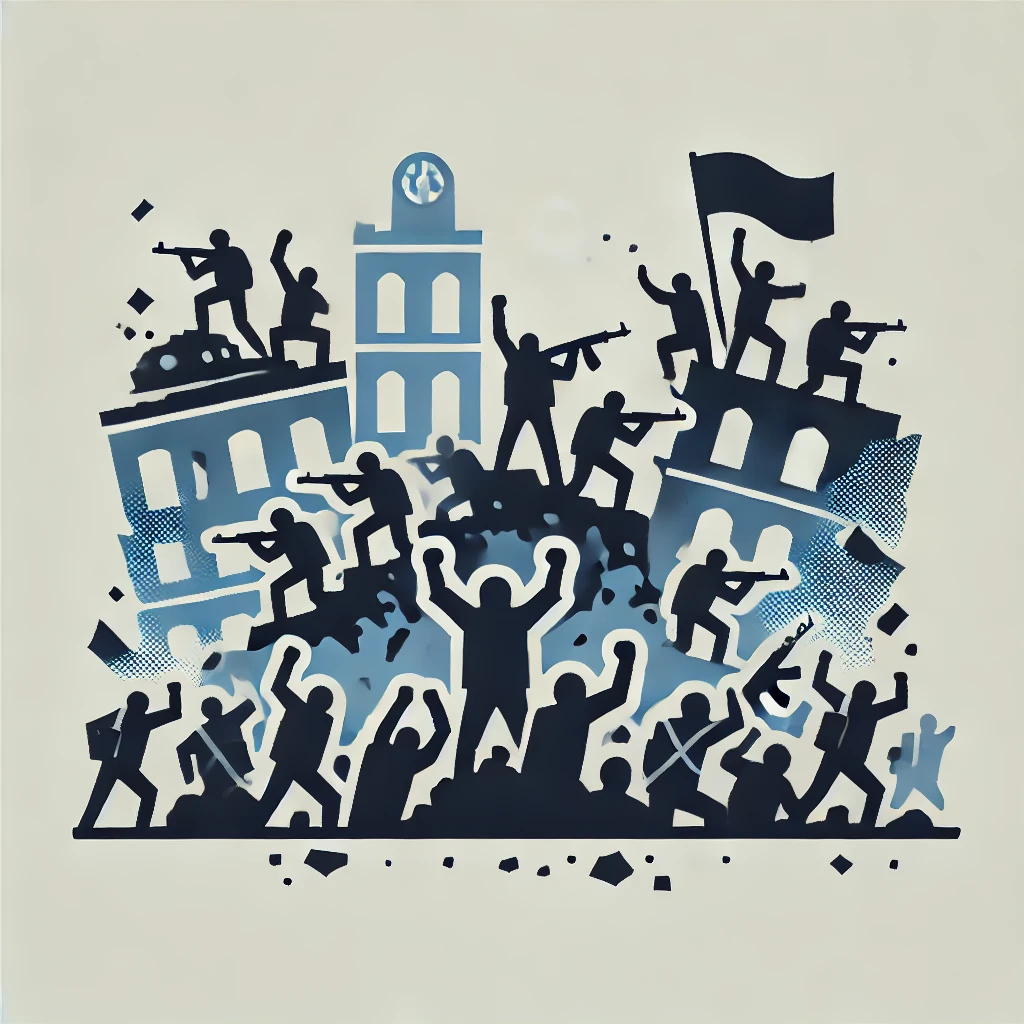
History shows that major changes often come in response to crises. After a war, ruling elites may have lost power and be unable to block change. In a revolution, people have had enough of the system and force change by overthrowing rulers—but as in the French Revolution, which instead brought Napoleon to power, outcomes are uncertain. The military may carry out coups to create change and later restore democracy, but this is by no means guaranteed. Peaceful reform is far preferable—through sustained effort and popular mobilization. Switzerland, for example, developed its system of direct democracy through gradual reforms over time, supported by a unique culture of local self-government and participation. After the 2008 financial crisis, Iceland experienced a significant reform process, including constitutional revision with broad public participation. Perhaps in Norway we will have to wait until the oil fund is depleted and the state faces economic crisis before politicians allow citizens greater control over the country, counties, and municipalities?
De fleste av artiklene på Oagal er utarbeidet av redaksjonen. Innholdet fra redaksjonen er det fortløpende redaksjonelle arbeidet i Oagal. Redaksjonen driver undersøkende journalistikk, utvikler ideer til saker og utarbeider artikler ved hjelp av ulike tilgjengelige kilder og verktøy. Meningsbærende innhold og også reportasjer bærer skribentens navn.
0 Comments